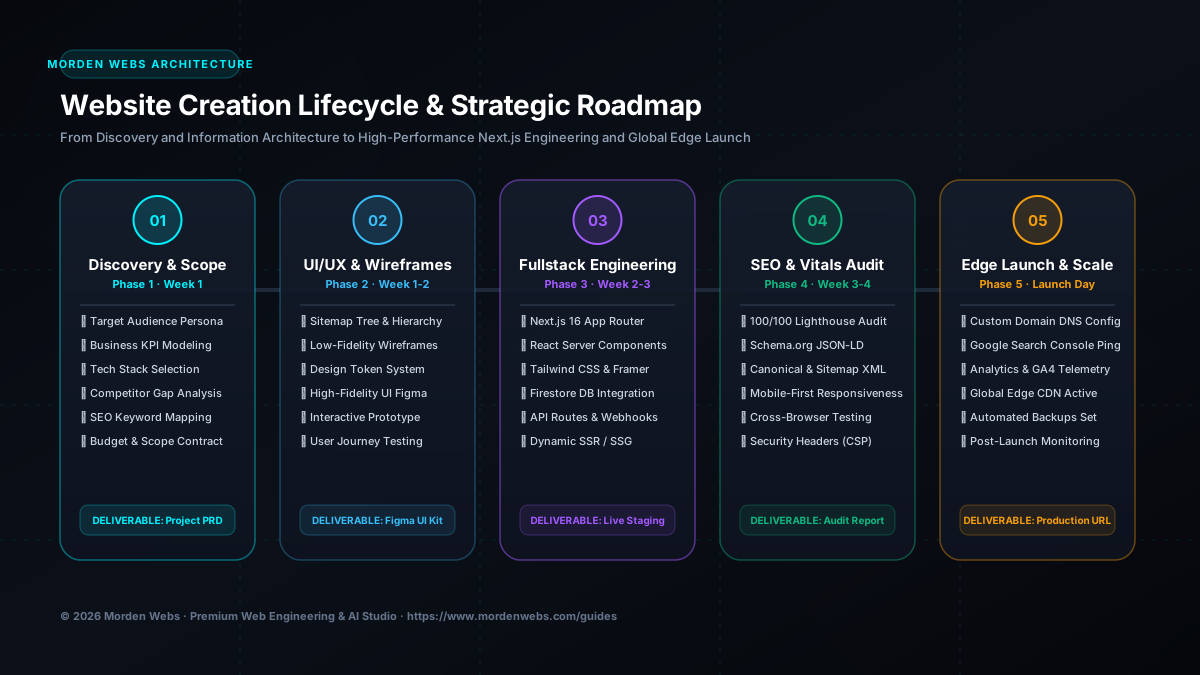
Key Takeaways
- Successful websites follow a structured lifecycle: Discovery, Architecture, UI Design, Coding, QA, Launch, and Optimization.
- Skipping the discovery or wireframing stage results in 3x more revisions during development.
- Pre-launch QA testing must cover cross-browser compatibility, mobile responsiveness, forms, and technical SEO tags.
- Post-launch maintenance includes security patches, uptime monitoring, and continuous conversion rate optimization.
Phase 1 & 2: Discovery, Goals & Information Architecture
Before writing a single line of code or designing in Figma, you must define:
1. **Core Business Objectives:** Is the site for lead generation, SaaS subscriptions, e-commerce, or brand credibility?
2. **Target Audience Persona:** Demographics, devices used, and specific pain points.
3. **Sitemap & Content Inventory:** Listing all required pages, URL structure, and primary call-to-actions (CTAs).
Essential Rules:
- Define KPIs (Conversion Rate, Page Load Time, Lead Volume).
- Establish content requirements before visual design.
Phase 3 & 4: UI/UX Wireframing & Modern Development
With requirements locked, the visual and technical construction begins:
- **Low-Fidelity Wireframes:** Black-and-white structural layouts focusing purely on user flow and visual hierarchy.
- **High-Fidelity Figma Prototypes:** Applying design systems, color palettes, typography, and interactive components.
- **Frontend & Backend Engineering:** Coding the application using modern frameworks like Next.js, implementing responsive styling with Tailwind/CSS, and connecting APIs and databases.
Architect Pro-TipNever code without an approved Figma design. Making changes in Figma takes minutes; refactoring production code takes days.
Phase 5, 6 & 7: QA Testing, Deployment & Ongoing Growth
Prior to making your website public:
- **Quality Assurance Testing:** Test across Safari, Chrome, iOS, and Android. Verify all forms, links, and SSL certificates.
- **Production Deployment:** Connect your custom domain via DNS, configure CDN edge caching, and submit your `sitemap.xml` to Google Search Console.
- **Growth & Iteration:** Monitor Google Analytics 4, fix user friction points, and publish fresh content.
Essential Rules:
- Test forms with real email deliveries before going live.
- Set up uptime monitoring (e.g. Better Uptime) to get alerted on outages.
Transparent 2026 Website Cost Estimator
Detecting region…
What Things Do You Need for Your Website?
Single page starters start at just ₹3,499. Scale pages and features to see instant pricing.
1 Page (Landing / Bio)
1 Page (Single-Page Starter)5 Pages10 Pages20 Pages
1-Page Special Rate
₹4,199INR
Turnaround: 1–3 days • 100% Code Ownership
Recommended Tech Architecture:
Next.js 16Tailwind CSSTypeScriptEdge CDN
100/100 Google Lighthouse Speed Score
Zero Monthly Lock-in Fees
Frequently Asked Questions
A custom high-performance agency website typically takes 2 to 6 weeks, depending on complexity, number of pages, and custom feature requirements.
Interactive Web Skills Readiness Tracker
What Skills Do You Need to Build a Website?
Check off the web development disciplines you have mastered to assess your readiness.
0%
0 of 12 Mastered